An audiometry test is done to evaluate your hearing capacity. It may be done in patients with deafness to determine the cause and degree of hearing loss. The test is generally advised by an ear, nose, and throat (ENT) surgeon and performed by an audiologist. The test uses different pitches of sound to measure how sensitive your sense of hearing is.
During a pure tone audiometry test, you will be given headphones or earphones and asked to listen to sounds/tones played on a special machine known as an audiometer.
Impedance audiometry
Impedance or immitance audiometry is an objective assessment method of the function of the middle ear. By increasing acoustic pressure in the external ear canal, impedance audiometry measures the sum of resistance which a sound wave encounters on its way through the middle ear to the cochlear receptor. Middle-ear resistance depends on the physical properties of its elements, such as the mass of ossicles, thickness and flexibility of tympanic membrane, and the stiffness of the middle-ear tendons and muscles. The measurement is simple and can be performed in a quiet room without or with very limited cooperation on the patient's side.
Speech audiometry is a very basic way to test for hearing loss – but it plays an extremely important role in your complete hearing evaluation.
Unlike other hearing tests, which measure a patient’s hearing abilities, speech audiometry measures a patient’s comprehension abilities. Audiologists often use speech audiometry in conjunction with other tests during a hearing loss evaluation. Speech tests can sometimes reveal a hearing impairment that other tests don’t disclose or measure effectively.
The BERA test measures electrical activity in the auditory cortex and cerebral cortex in response to sound. It helps monitor the integrity of the auditory canal and can detect hearing loss or other hearing problems. During the test electrodes are placed in the scalp and ear to record the brain's response to sound stimuli, presented via headphones and then analyzed for recorded responses to prevent ear infections and to detect any possible hearing problems.This test is non invasive and painless.
Otoacoustic emissions (OAE) are very soft sounds which are generated in the cochlea (inner ear) in response to a sound stimulus. The hair cells in the cochlea are set into vibration when we hear sounds and transform those mechanical movements into neural signals. In response to the stimulus, an echo is generated by the hair cells and these vibrations are transmitted as soft sounds from the inner ear, through the middle ear, to the outer ear. OAE is perfect for testing newborns and young children
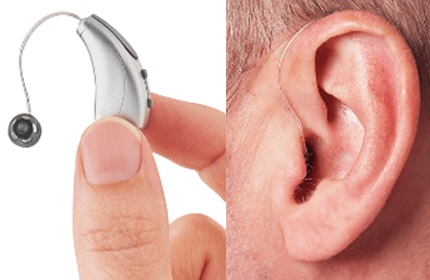
When your audiologist recommends hearing aids, selection is only the beginning of the process. Equally important is the fitting, which involves programming your hearing aids and making adjustments to provide the correct levels of amplification for your particular hearing loss. Counseling is a necessary step to ensure you have realistic expectations, and is crucial for long-term success.